

In 2012, India’s automotive landscape changed forever. A compact SUV arrived that challenged conventions, reshaped buyer expectations, and introduced a new way of getting around. Its name was Duster.
Fourteen years later, as India emerges as the world’s third-largest automotive market, the legendary nameplate is set to return—profoundly transformed. More mature, more ambitious and more technologically advanced, the new Renault Duster marks the comeback of an icon that once paved the way for the SUV revolution in India. A new chapter is about to begin.
India: A Booming Automotive Powerhouse
With a population of 1.45 billion, a young demographic profile, rapid urbanisation and a growing middle class seeking personal mobility, India has become one of the most dynamic automotive markets globally. In 2025, the country overtook Japan to become the world’s third-largest automotive market, behind only China and the United States.
Usage patterns have evolved significantly. In just over a decade, the share of SUVs in India has grown from 12% to over 50%. From major metros like Delhi, Mumbai and Bengaluru to fast-growing tier-2 cities, SUVs have become a symbol of versatility, modernity and status—turning this trend into a structural shift rather than a passing phase.
Recognising this transformation early, Renault placed India at the heart of its International Game Plan 2027, positioning the country as one of its five strategic global hubs.
Chennai at the Heart of Renault’s Vision
Renault’s Indian ecosystem now brings together a high-level engineering centre, the brand’s largest design centre outside France (inaugurated in 2025), and a manufacturing plant that is now wholly owned by Renault. Together, these facilities form a complete, end-to-end ecosystem capable of designing, developing and manufacturing vehicles tailored to Indian needs—while also serving global markets.
Against this backdrop, the return of the Duster takes on a strong strategic dimension. India is no longer just an important market for Renault; it is a driver of innovation and competitiveness for the brand worldwide.
Duster: The SUV That Created a Segment
When the Duster launched in India in 2012, it stood apart in a market dominated by small city cars. Its high driving position, rugged styling and everyday versatility appealed instantly to customers who were discovering a new way of approaching mobility.
In doing so, Duster effectively created the B+ SUV segment—one that did not previously exist and has since become central to Indian buyer preferences. With over 200,000 units sold, the Duster became more than a successful product. It became a symbol of adventure, freedom and personal achievement, embedding itself deeply into India’s automotive culture.
Its eventual disappearance left a noticeable void. In a market dominated by domestic giants, Duster held a unique, almost iconic position—making its return in 2026 a moment of genuine anticipation.
Design Inspired by India
For the new generation, Renault turned to its Chennai-based design centre, where Indian and European teams worked closely together, deeply attuned to local usage patterns and aspirations.
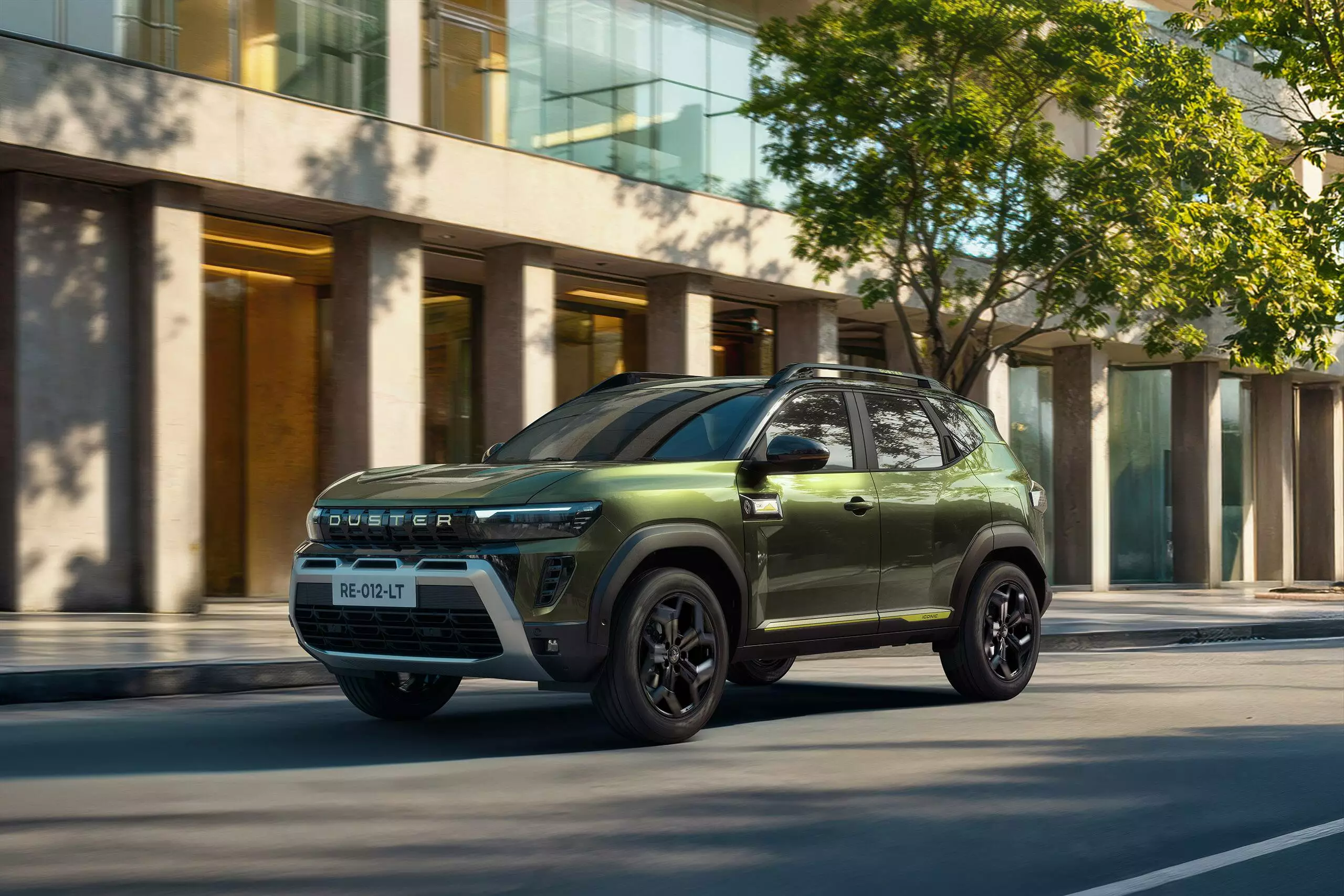
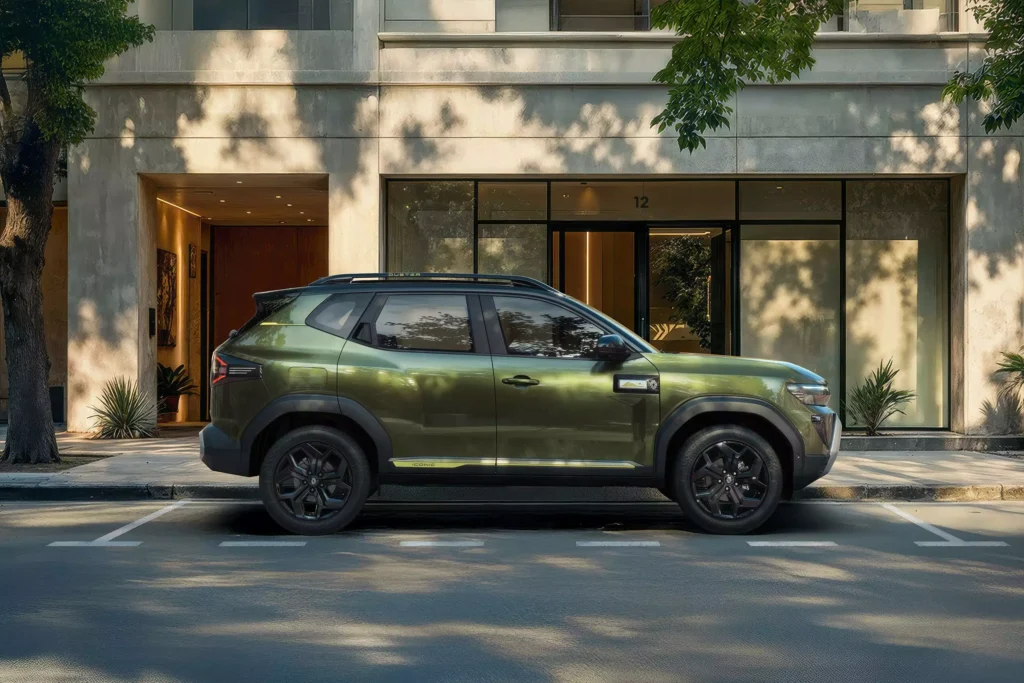
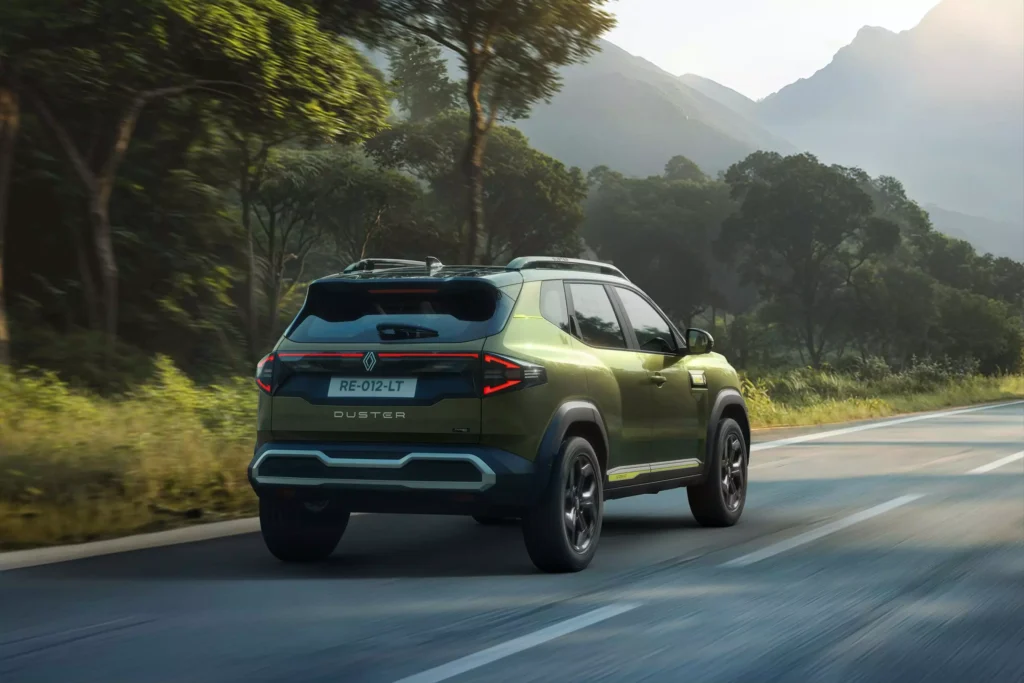
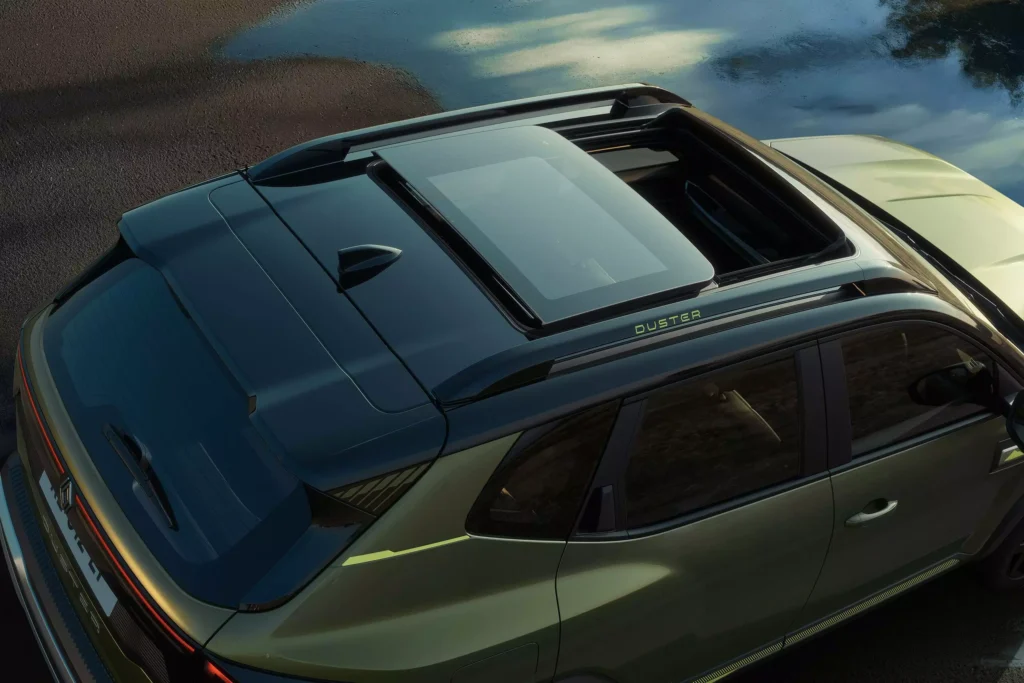
The result is a Duster that feels instantly modern yet familiar. The new model adopts sharper, more assertive lines, a stronger front-end presence and a wider rear light signature, giving it a confident, status-oriented stance. The rugged DNA of the original remains, now wrapped in a more refined and contemporary design.
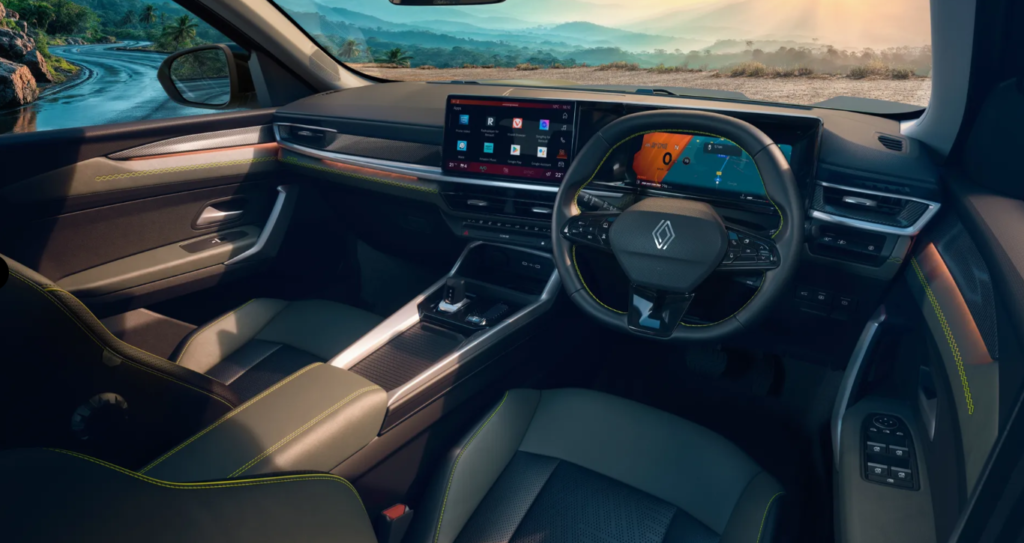
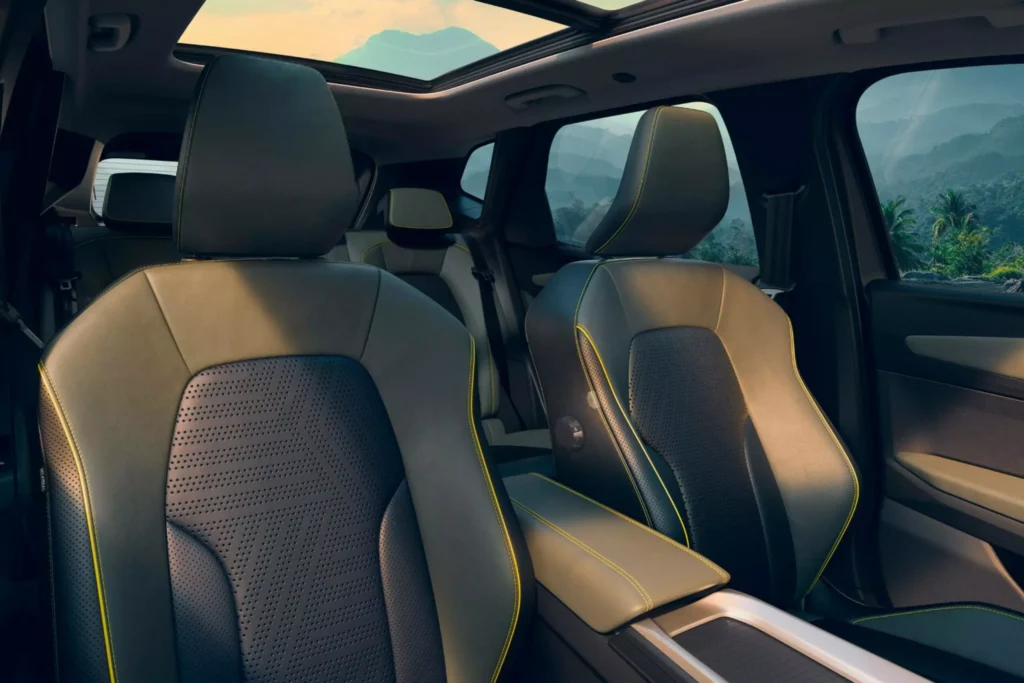
Inside, the transformation is equally significant. The cabin has been completely reimagined with a horizontal dashboard layout, a large central touchscreen and more refined materials. The integration of Google Automotive Services—a first for Renault in India—delivers a seamless, intuitive and connected digital experience aligned with modern driving habits.
Platform, Powertrain and Safety
The new Renault Duster is built on a new modular platform developed by Renault Group, engineered to handle India’s diverse road conditions—from wide urban highways to narrow, uneven rural routes.
An E-Tech full hybrid powertrain is planned for the Indian market, addressing growing demand for efficiency and sustainability while maintaining engaging driving performance. Safety has also been significantly enhanced, with 17 advanced driver-assistance systems designed to work discreetly in the background, providing reassurance without intruding on the driving experience.
A New Chapter Begins
The new Renault Duster does not abandon its heritage; instead, it offers a contemporary reinterpretation. It preserves the qualities that made it successful—robustness, versatility and character—while embracing modern design, advanced technology and electrified mobility.
Launching in India in 2026 before expanding to South Africa and the Middle East, the Duster once again positions itself as a model that reflects change, ambition and evolution. An icon that shaped the SUV story in 2012 is now ready to guide it into the road to the 2030s.
Expected Renault Duster (2026) – Key Details at a Glance
| Category | Details (Expected) |
|---|---|
| Model Name | New Renault Duster |
| Launch Timeline | 2026 (India) |
| Segment | Mid-size / B+ SUV |
| Platform | New Renault modular platform |
| Engine Options | Petrol, Hybrid (E-Tech full hybrid expected) |
| Transmission | Manual & Automatic |
| Drivetrain | FWD (AWD may be introduced later) |
| Key Features | Google Automotive Services, Digital Instrument Cluster, Large Touchscreen |
| Safety | Up to 17 ADAS features, Multiple Airbags, ESC |
| Expected Price (Ex-showroom) | ₹12 lakh – ₹18 lakh* |
| Key Rivals | Hyundai Creta, Kia Seltos, Maruti Grand Vitara, Toyota Hyryder |
*Prices are indicative and subject to change at launch.
Our Comment
The return of the Renault Duster is more than just a model relaunch—it represents Renault’s renewed confidence in the Indian market. At a time when SUVs dominate buyer preferences, bringing back a nameplate that once defined the segment is a strategic move. What stands out is the strong India-centric approach, from local design and engineering to the focus on hybrid technology and connected features.
If Renault gets the pricing and positioning right, the new Duster has the potential to recreate its original success and challenge established players once again. More importantly, it signals Renault’s long-term commitment to India—not just as a sales market, but as a global hub for innovation and development.
For more automotive updates and breaking news, visit: https://s8cars.com